Arrow Icon
Back to Blogs

How Fuel Inventory Management Reduces Losses in Dubai

Fuel Management System Dubai: Reduce Fuel Loss & Theft

Logo

Published:

14 May, 2026

fuel inventory management system

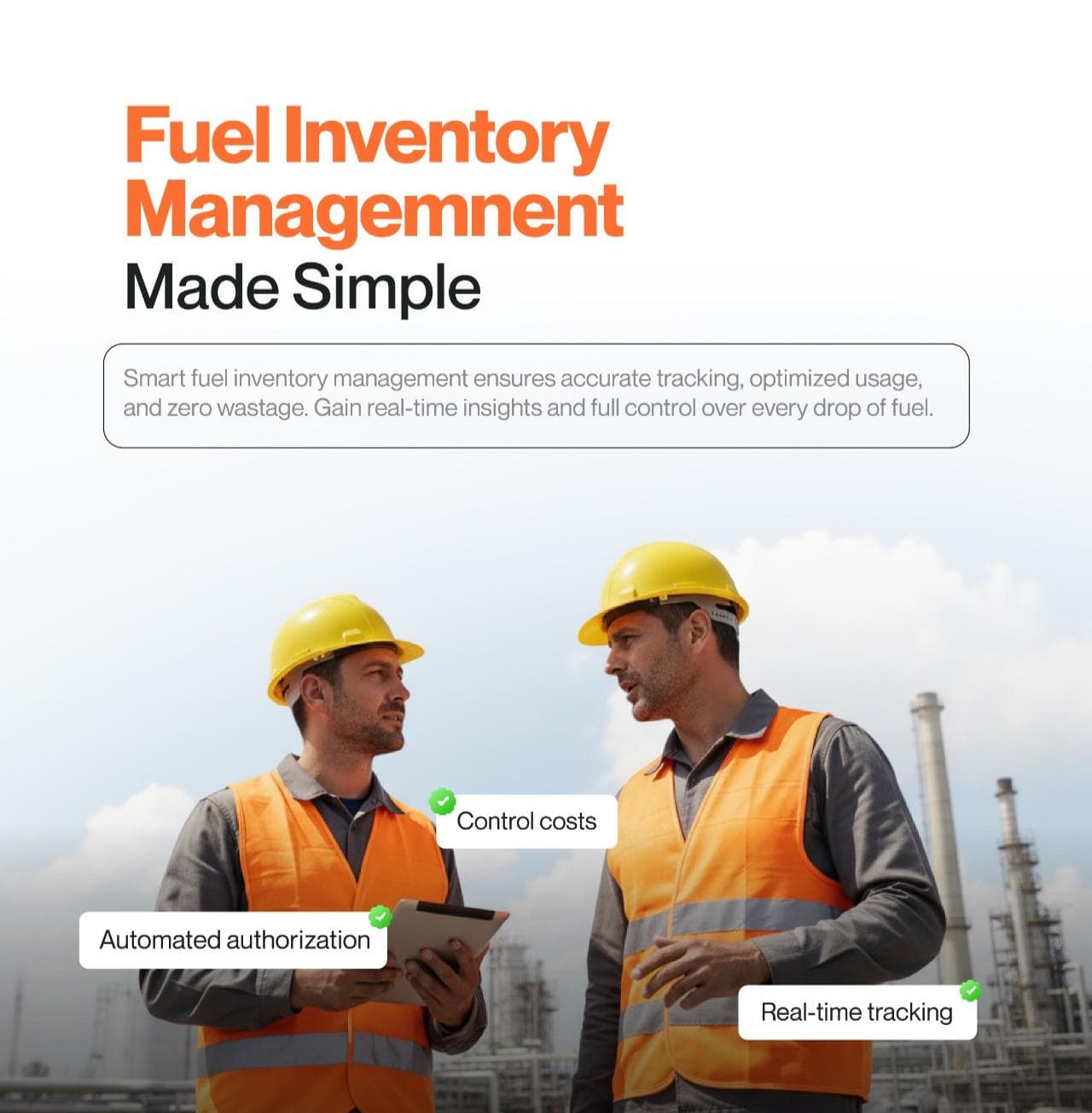
Fuel is one of the largest operational expenses for industries that rely on transportation, construction equipment, or heavy machinery. In a fast-growing economy like Dubai, where logistics, infrastructure development, and transportation are continuously expanding, managing fuel efficiently has become a major priority.

Many companies in Dubai face fuel losses due to theft, inaccurate records, inefficient consumption, or manual tracking systems. Without proper monitoring, these losses can significantly affect operational budgets and overall profitability.

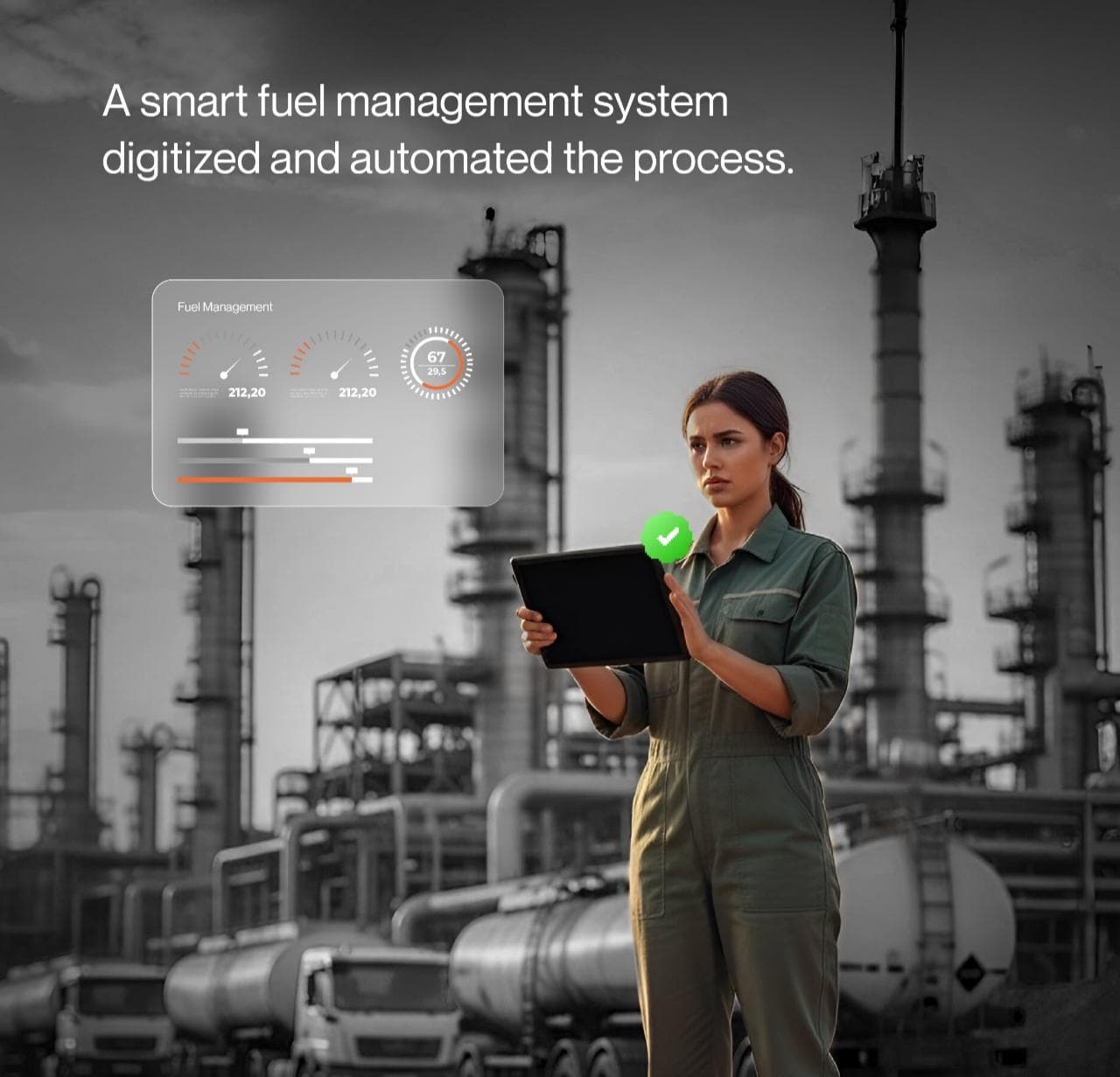
This is where a fuel management system, which Dubai businesses rely on, becomes essential. Modern fuel inventory management solutions use advanced technologies such as IoT sensors, GPS tracking, and automated reporting to help organisations control fuel usage, detect irregularities, and reduce operational costs.

In this guide, we’ll explore how fuel inventory management systems work, why they are essential for Dubai-based businesses, and how they help reduce fuel losses while improving efficiency.

Why Fuel Management Is Critical for Businesses in Dubai

Dubai’s economy relies heavily on industries that consume large volumes of fuel, including:

  • Transportation and logistics

  • Construction and infrastructure development

  • Oil and gas services

  • Delivery and fleet management companies

  • Manufacturing and industrial sectors

For these industries, even small fuel losses can accumulate into substantial financial damage over time.

For example, issues such as:

  • Fuel theft

  • Unauthorised vehicle usage

  • Fuel card misuse

  • Inaccurate manual logs

  • Fuel tank leakages

can increase operational costs without companies even realising it.

A reliable fuel tracking system that Dubai organisations adopt provides real-time tracking and accurate fuel inventory monitoring, allowing businesses to identify inefficiencies and prevent losses before they escalate.

What Is a Fuel Management System?

A fuel management system is a technology solution designed to monitor, control, and optimise fuel consumption across vehicles, equipment, or storage tanks.

These systems typically combine several technologies, including:

  • IoT fuel sensors

  • GPS fleet tracking

  • Automated dispensing systems

  • Cloud-based analytics platforms

  • Mobile monitoring dashboards

Together, these tools provide businesses with a comprehensive overview of their fuel usage and inventory.

With real-time insights, managers can track fuel levels, detect irregular usage patterns, and ensure accountability across their operations.

How Fuel Inventory Management Reduces Losses

Fuel inventory management plays a key role in identifying inefficiencies and preventing losses. Let’s explore the main ways these systems help businesses in Dubai maintain control over their fuel resources.

1. Real-Time Fuel Monitoring

Traditional fuel tracking methods often rely on manual logging and periodic tank inspections. These processes are time-consuming and prone to human error.

A modern fuel tracking system that Dubai companies use allows real-time monitoring of fuel levels in storage tanks and vehicles.

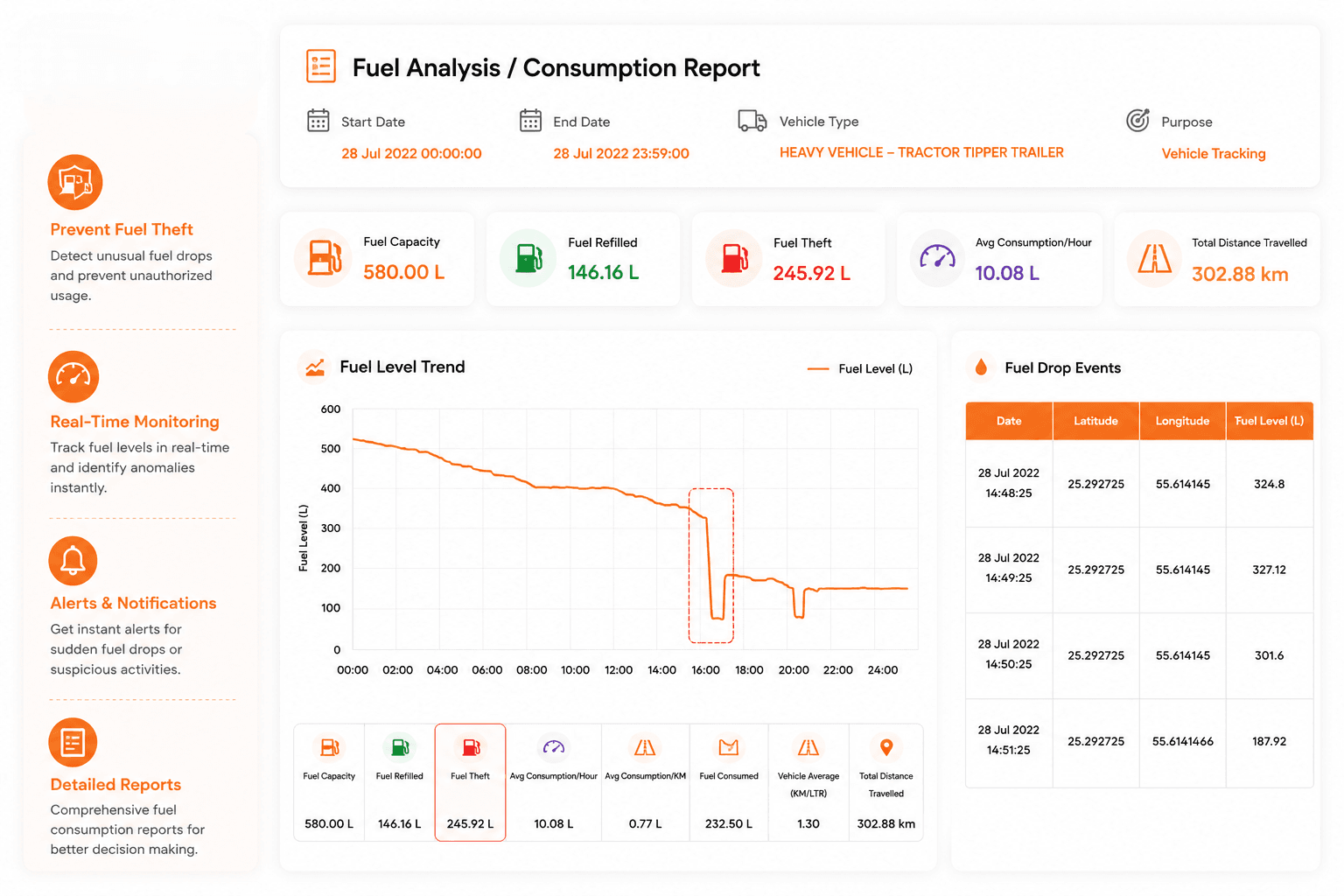
With live dashboards, managers can instantly see:

  • Current fuel levels

  • Fuel consumption trends

  • Refilling history

  • Abnormal fuel drops

This transparency helps businesses quickly detect unusual fuel activity.

2. Prevention of Fuel Theft

Fuel theft is one of the most common causes of fuel loss for logistics and construction companies.

Without proper tracking, unauthorised fuel withdrawals can go unnoticed.

Fuel monitoring systems help prevent theft through:

  • Automated fuel dispensing controls

  • Driver authentication

  • Geofencing alerts

  • Real-time consumption tracking

If fuel is removed outside approved limits, the system immediately sends alerts to administrators.

3. Accurate Fuel Consumption Tracking

Monitoring fuel consumption is essential for improving fleet efficiency.

With a fuel management system, companies can track fuel usage for:

These insights help businesses identify inefficient driving patterns or mechanical issues causing excessive fuel consumption.

4. Improved Operational Accountability

When fuel usage is tracked digitally, it creates a transparent record of every transaction.

This reduces disputes and ensures accountability among employees and contractors.

Managers can easily review:

  • Who accessed the fuel

  • When fuel was dispensed

  • How much fuel was used

  • Which vehicle received the fuel

This level of visibility eliminates guesswork and ensures proper oversight.

5. Automated Reporting and Data Insights

Fuel monitoring software automatically generates reports that help businesses analyse fuel usage trends.

Key reports typically include:

  • Daily fuel consumption

  • Vehicle fuel efficiency

  • Fuel refill history

  • Fuel inventory levels

  • Loss or discrepancy reports

These insights enable companies to make informed decisions about operational improvements.
 

fuel management system
fuel inventory management

Key Benefits of Fuel Monitoring Systems for Dubai Businesses

Businesses across Dubai are increasingly adopting fuel tracking systems due to the significant operational advantages they provide.

1. Reduced Operational Costs

By preventing theft and improving fuel efficiency, businesses can significantly reduce fuel-related expenses.

Even a small percentage reduction in fuel waste can save thousands of dirhams annually.

2. Increased Fleet Efficiency

Real-time monitoring allows companies to optimise routes, reduce idle time, and improve driver behaviour.

This leads to better fuel efficiency and faster deliveries.

3. Improved Regulatory Compliance

Fuel tracking systems help businesses maintain accurate fuel records, which can be essential for regulatory compliance and auditing purposes.

4. Better Maintenance Planning

Fuel consumption data can reveal mechanical issues in vehicles or machinery.

For example, sudden increases in fuel usage may indicate engine problems that require maintenance.

Early detection helps avoid costly breakdowns.

5. Enhanced Business Transparency

With digital fuel tracking systems, organisations gain complete visibility into fuel usage across their operations.

This transparency improves management control and strategic planning.

Challenges Businesses Should Consider

Although fuel monitoring systems offer significant benefits, businesses should also consider potential challenges during implementation.

1. Initial Investment Costs

Installing IoT sensors, monitoring hardware, and software platforms requires upfront investment.

However, most businesses recover these costs through fuel savings within the first year.

2. Integration with Existing Systems

Some companies may need to integrate fuel management systems with fleet management or ERP software.

Proper planning and vendor support can ensure smooth integration.

3. Employee Training

Employees must be trained to use new fuel monitoring tools effectively.

Training ensures accurate system usage and maximises the benefits of the technology.

Practical Tips for Implementing a Fuel Management System

Businesses looking to implement a fuel management system in Dubai should consider these best practices:

1. Conduct a Fuel Usage Audit

Start by analysing current fuel consumption patterns and identifying areas of inefficiency.

2. Choose a Scalable Solution

Select a system that can grow with your business and support multiple vehicles or sites.

3. Implement Real-Time Monitoring

Ensure the system provides live tracking and alerts for abnormal activity.

4. Train Your Staff

Provide proper training for drivers, operators, and managers to maximise system benefits.

5. Work with a Reliable Technology Provider

Partnering with an experienced provider ensures smooth installation and ongoing support.

The Future of Fuel Tracking in Dubai

Dubai continues to invest in smart infrastructure and digital transformation across industries.

As part of this shift, fuel tracking systems are becoming more advanced through:

  • AI-powered analytics

  • IoT sensor technology

  • Cloud-based fleet management platforms

  • Predictive fuel usage insights

These innovations will further help companies reduce operational waste and improve sustainability.

In the coming years, fuel tracking solutions will likely become a standard requirement for fleet operators, logistics companies, and construction contractors across the UAE.

Frequently Asked Questions (FAQs)

1. What is a fuel management system?

A fuel management system is a technology solution that tracks fuel consumption, monitors fuel inventory, and helps businesses reduce fuel waste and theft.

2. How does a fuel management system reduce fuel theft?

The system monitors fuel dispensing activities and sends alerts if unusual fuel withdrawals occur, helping prevent unauthorised access.

3. Which industries in Dubai need fuel management systems?

Industries such as logistics, transportation, construction, fleet management, and manufacturing benefit greatly from fuel monitoring systems.

4. Can fuel management systems integrate with fleet tracking?

Yes, many modern fuel management systems integrate with GPS fleet tracking platforms to provide complete operational visibility.

5. Is fuel management software suitable for small fleets?

Yes. Fuel management systems can be scaled for businesses with small fleets or large enterprise operations.

Final Thoughts

Fuel losses can significantly impact business profitability, especially for industries that rely heavily on transportation and machinery. Without accurate monitoring, companies may face hidden fuel expenses that gradually reduce their operational efficiency.

Implementing a reliable fuel management system that Dubai businesses trust provides complete control over fuel inventory, improves accountability, and reduces waste.

With real-time monitoring, automated reporting, and advanced analytics, companies can optimise fuel usage and improve overall operational performance.

Take Control of Your Fuel Operations with IoTedge

If your business relies on fleets, construction equipment, or fuel storage systems, implementing a smart fuel monitoring solution can transform your operations.

IoTedge provides advanced fuel management systems designed specifically for Dubai businesses. Our IoT-powered solutions deliver real-time fuel tracking, theft prevention, automated reporting, and seamless integration with fleet management systems.

Contact IoTedge today to discover how our fuel monitoring technology can help your business reduce fuel losses and operate more efficiently.

Explore More

Fleet Monitoring

27 November, 2025

Real-Time Fleet Monitoring: Why Businesses Need IoT-Enabled Solutions

Real-Time Fleet Monitoring: Why Businesses Need IoT-Enabled Solutions

Read More
Arrow Icon
IoT for Worker Safety

29 November, 2025

Why Construction Companies Are Adopting IoT for Worker Safety

Why Construction Companies Are Adopting IoT for Worker Safety

Read More
Arrow Icon
Construction Equipment Tracking

1 December, 2025

How IoT Devices Improve Construction Equipment Tracking and Utilisation

How IoT Devices Improve Construction Equipment Tracking

Read More
Arrow Icon

Frequently Asked Questions

Let's build smarter operations together.

Speak with our experts to implement smart vehicle tracking, asset monitoring, and IoT-powered automation for your operations.

Contact Us
Arrow Icon
Request a Demo
Website Logo

IoT Edge helps industries track, monitor, and automate operations with connected technologies.

Instagram Icon
Facebook Icon
Linkedin Icon
Youtube Icon

Services

Get in Touch

Mail Icon

© 2026 IoT Edge | Privacy Policy | Terms of Use