Arrow Icon
Back to Blogs

IoT Tracking vs GPS Tracking: Key Differences for Dubai Firms

IoT Tracking vs GPS Tracking Dubai: Key Differences

Logo

Published:

20 March, 2026

iot tracking and gps tracking difference

Dubai has rapidly become one of the most technologically advanced cities in the world. From smart transportation systems to AI-powered logistics and automated infrastructure, businesses across the UAE are embracing digital solutions to improve efficiency and security.

However, many business owners often ask the same question: Which solution is better—IoT tracking or GPS tracking?

Understanding the difference between these technologies is essential for choosing the right solution for your operations. While both systems help businesses track assets, they serve different purposes and offer unique advantages.

In this guide, we will explain IoT tracking vs GPS tracking, and Dubai businesses should understand, including how each technology works, its benefits, potential limitations, and how companies can choose the right solution for their needs.

Understanding Tracking Technology in Dubai’s Smart Business Ecosystem

Dubai’s government and private sector are heavily investing in smart technology as part of the city’s digital transformation strategy.

Industries such as logistics, construction, fleet management, and infrastructure rely on real-time tracking systems to improve operational visibility and reduce losses.

Tracking technologies allow businesses to:

  • Monitor vehicle and asset locations

  • Improve operational efficiency

  • Reduce theft and equipment loss

  • Optimise resource utilisation

  • Enhance safety and compliance

Two of the most widely used technologies for this purpose are IoT tracking systems and GPS monitoring solutions.

Although they may seem similar, their functionality and applications are quite different.

What Is GPS Tracking?

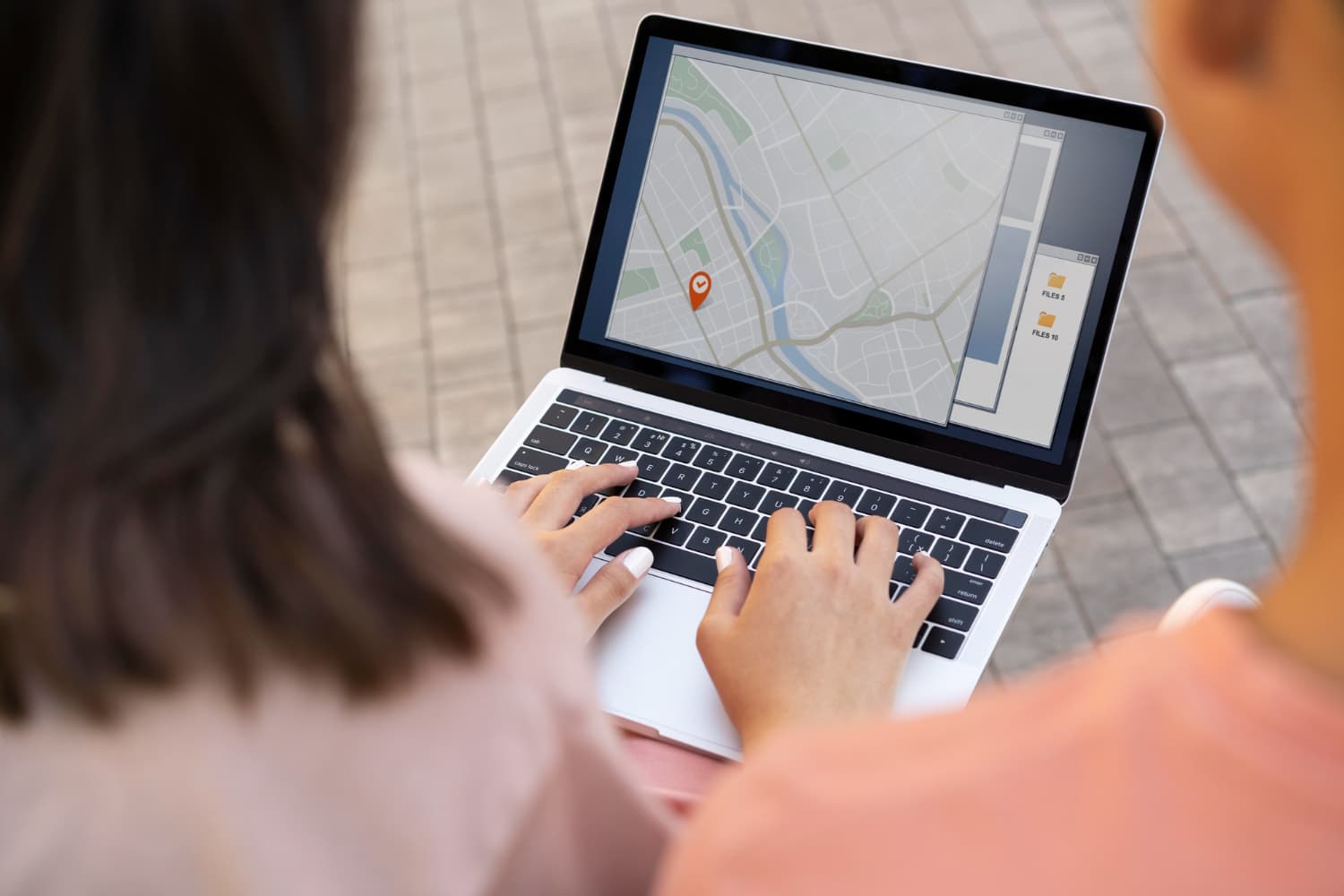
GPS tracking uses satellites to determine the precise geographic location of a device or vehicle.

A GPS monitoring device receives signals from satellites orbiting the Earth and calculates its position based on those signals. The device then sends location data to a software platform that businesses can access through a dashboard or mobile app.

GPS monitoring is widely used across many industries in Dubai, including:

  • Fleet management companies

  • Logistics and delivery businesses

  • Taxi and transportation services

  • Construction equipment monitoring

  • Security and vehicle recovery systems

With GPS tracking, businesses can view real-time vehicle movement, routes, speed, and travel history.

Benefits of GPS Tracking for Dubai Businesses

GPS monitoring provides several advantages for organisations that rely on vehicle movement and outdoor asset monitoring.

1. Real-Time Location Monitoring

GPS devices provide accurate, real-time location data for vehicles and equipment across cities or even countries.

2. Improved Fleet Management

Logistics companies can monitor driver routes, optimise delivery schedules, and reduce fuel consumption.

3. Theft Prevention

GPS trackers allow businesses to quickly locate stolen vehicles or assets.

4. Route Optimisation

Businesses can analyse travel routes and identify ways to improve efficiency.

Limitations of GPS Tracking

Although GPS monitoring is highly useful, it does have some limitations.

GPS signals can sometimes be weak in indoor environments such as warehouses or underground parking areas. This makes GPS less effective for monitoring assets inside buildings.

Additionally, GPS primarily focuses on location monitoring, which means it may not provide deeper insights such as environmental conditions or asset performance.

What Is IoT Tracking?

IoT tracking refers to the use of Internet of Things devices and sensors to monitor assets, vehicles, equipment, and environmental conditions.

Unlike GPS monitoring, IoT systems use a network of connected sensors that collect and transmit data in real time.

IoT monitoring can monitor multiple types of information, including:

  • Location

  • Temperature

  • Equipment usage

  • Motion detection

  • Environmental conditions

  • Asset status

IoT tracking solutions are widely used in industries such as:

  • Healthcare

  • Construction

  • Logistics

  • Manufacturing

  • Warehouse management

In Dubai’s rapidly evolving smart infrastructure ecosystem, IoT technology plays a major role in enabling advanced monitoring and automation.

IoT Tracking vs GPS Tracking: Dubai Businesses Should Understand

When comparing IoT tracking vs GPS tracking, Dubai companies use, the main difference lies in the depth of data and monitoring capabilities.

GPS monitoring is primarily focused on location monitoring, while IoT monitoring offers a broader monitoring system that includes location, asset performance, and environmental data.

For example, a logistics company using GPS tracking can monitor vehicle routes and locations. However, an IoT-based system could also track cargo temperature, fuel usage, and equipment health simultaneously.

Another key difference is coverage flexibility. GPS works best outdoors because it relies on satellite signals, while IoT monitoring can work indoors using technologies such as RFID, Bluetooth, or Wi-Fi networks.

This makes IoT tracking more suitable for environments such as warehouses, hospitals, factories, and construction sites.

 

iot and gps tracking dubai
iot tracking vs gps tracking

Key Benefits of IoT Tracking for Dubai Firms

Many companies are now moving toward IoT-based tracking solutions because they provide deeper insights and automation capabilities.

1. Real-Time Data Beyond Location

IoT sensors collect multiple types of data, enabling businesses to monitor asset conditions, equipment performance, and operational metrics.

2. Improved Asset Utilisation

Companies can track how frequently equipment is used and identify underutilised assets. This helps businesses make better investment decisions and reduce unnecessary equipment purchases.

3. Predictive Maintenance

IoT systems can detect early signs of equipment failure. Predictive maintenance allows companies to repair machinery before breakdowns occur, reducing downtime and operational disruptions.

4. Enhanced Security and Monitoring

IoT sensors can trigger alerts when assets are moved without authorisation or enter restricted areas. This helps businesses prevent theft or misuse of valuable equipment.

5. Better Supply Chain Visibility

IoT monitoring improves visibility across supply chains by monitoring cargo conditions, delivery status, and transportation routes.

Challenges Businesses Should Consider

Despite their advantages, both technologies have certain challenges that companies must evaluate.

1. Data Security

Businesses must implement strong cybersecurity practices to protect sensitive operational data from potential cyber threats.

2. Implementation Costs

IoT tracking systems often require sensor installation, connectivity infrastructure, and software integration. However, these costs are often offset by long-term efficiency gains.

3. Connectivity Requirements

IoT devices rely on internet connectivity to transmit data. Companies must ensure reliable networks to maintain consistent monitoring.

Which Tracking Solution Is Best for Your Business?

Choosing between IoT tracking and GPS monitoring that Dubai firms use depends largely on your operational needs.

Businesses that primarily need vehicle location monitoring may benefit from GPS tracking.

However, companies that require advanced monitoring of equipment, assets, and environmental conditions may find IoT monitoring more suitable.

In many cases, organisations combine both technologies to create a hybrid monitoring system that delivers maximum visibility.

For example:

  • GPS tracking for fleet vehicles

  • IoT sensors for warehouse assets

  • RFID monitoring for indoor equipment

This integrated approach allows businesses to monitor operations more efficiently across multiple environments.

Practical Tips for Implementing Tracking Systems

Businesses planning to adopt monitoring technology should follow these best practices.

1. Evaluate Your Operational Needs

Determine which assets or vehicles require monitoring.

2. Choose Scalable Technology

Select solutions that can grow with your business as operations expand.

3. Prioritise Data Security

Ensure that monitoring platforms adhere to strict cybersecurity standards.

4. Train Staff Properly

Employees should understand how to use monitoring dashboards and reports.

5. Work with Experienced Providers

Partnering with trusted technology providers ensures successful implementation and ongoing support.

Frequently Asked Questions

1. What is the difference between IoT tracking and GPS tracking?

GPS monitoring focuses on monitoring geographic location using satellites, while IoT tracking uses connected sensors to monitor location, asset conditions, and operational data.

2. Which tracking system is better for Dubai logistics companies?

Logistics companies often benefit from both systems. GPS tracking is ideal for vehicles, while IoT tracking provides deeper insights into cargo conditions and asset performance.

3. Can IoT tracking work indoors?

Yes. IoT tracking systems can operate indoors using technologies such as RFID, Bluetooth, or Wi-Fi networks.

4. Is GPS tracking accurate in Dubai?

Yes. GPS monitoring is highly accurate outdoors and widely used for fleet and vehicle monitoring across the UAE.

5. Can businesses combine IoT and GPS tracking systems?

Yes. Many organisations use hybrid monitoring systems that combine GPS for outdoor monitoring and IoT sensors for asset monitoring.

Upgrade Your Business Tracking with IoTedge

As Dubai continues to build a smart and connected business ecosystem, companies must adopt advanced technologies to stay competitive.

Whether you need fleet monitoring, asset monitoring, or real-time operational insights, choosing the right tracking solution can significantly improve efficiency, security, and productivity.

Contact IoTedge today to discover how our smart tracking solutions can help your organisation reduce operational costs, improve asset visibility, and optimise business performance.


Explore More

Fleet Monitoring

27 November, 2025

Real-Time Fleet Monitoring: Why Businesses Need IoT-Enabled Solutions

Real-Time Fleet Monitoring: Why Businesses Need IoT-Enabled Solutions

Read More
Arrow Icon
IoT for Worker Safety

29 November, 2025

Why Construction Companies Are Adopting IoT for Worker Safety

Why Construction Companies Are Adopting IoT for Worker Safety

Read More
Arrow Icon
Construction Equipment Tracking

1 December, 2025

How IoT Devices Improve Construction Equipment Tracking and Utilisation

How IoT Devices Improve Construction Equipment Tracking

Read More
Arrow Icon

Frequently Asked Questions

Let's build smarter operations together.

Speak with our experts to implement smart vehicle tracking, asset monitoring, and IoT-powered automation for your operations.

Contact Us
Arrow Icon
Request a Demo
Website Logo

IoT Edge helps industries track, monitor, and automate operations with connected technologies.

Instagram Icon
Facebook Icon
Linkedin Icon
Youtube Icon

Services

Get in Touch

Mail Icon

© 2026 IoT Edge | Privacy Policy | Terms of Use